
Helping Teachers Get to Know Your Child With a Disability
By Elizabeth Dinn Marsh, OTR, MS, MOT
With generous contributions and photos by Laura Bull, COTA, Kamille Valencia, COTA, Erin Braun, Lorene Dillard, and Jessica Hanzo, MA LMFT, of the PDA Project
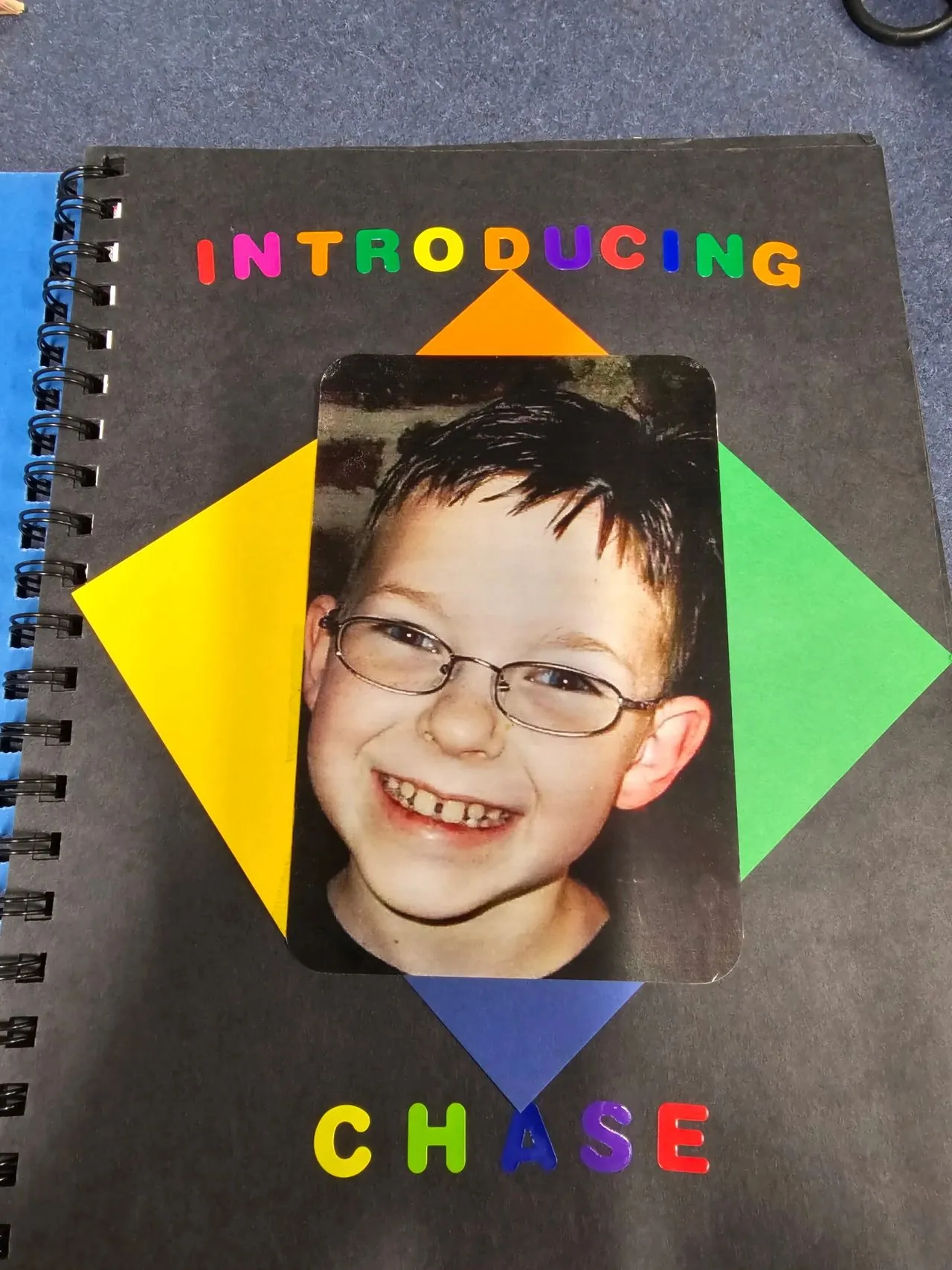
Starting a new school year can be both exciting and overwhelming especially for children with special needs. One of the best ways to set your child up for success is by taking the time to introduce them to their teachers in a meaningful way. Teachers genuinely want to know how to support their students best, and you can help bridge the gap by sharing your child's unique strengths, needs, and tools for regulation.
Share Their Likes and Dislikes
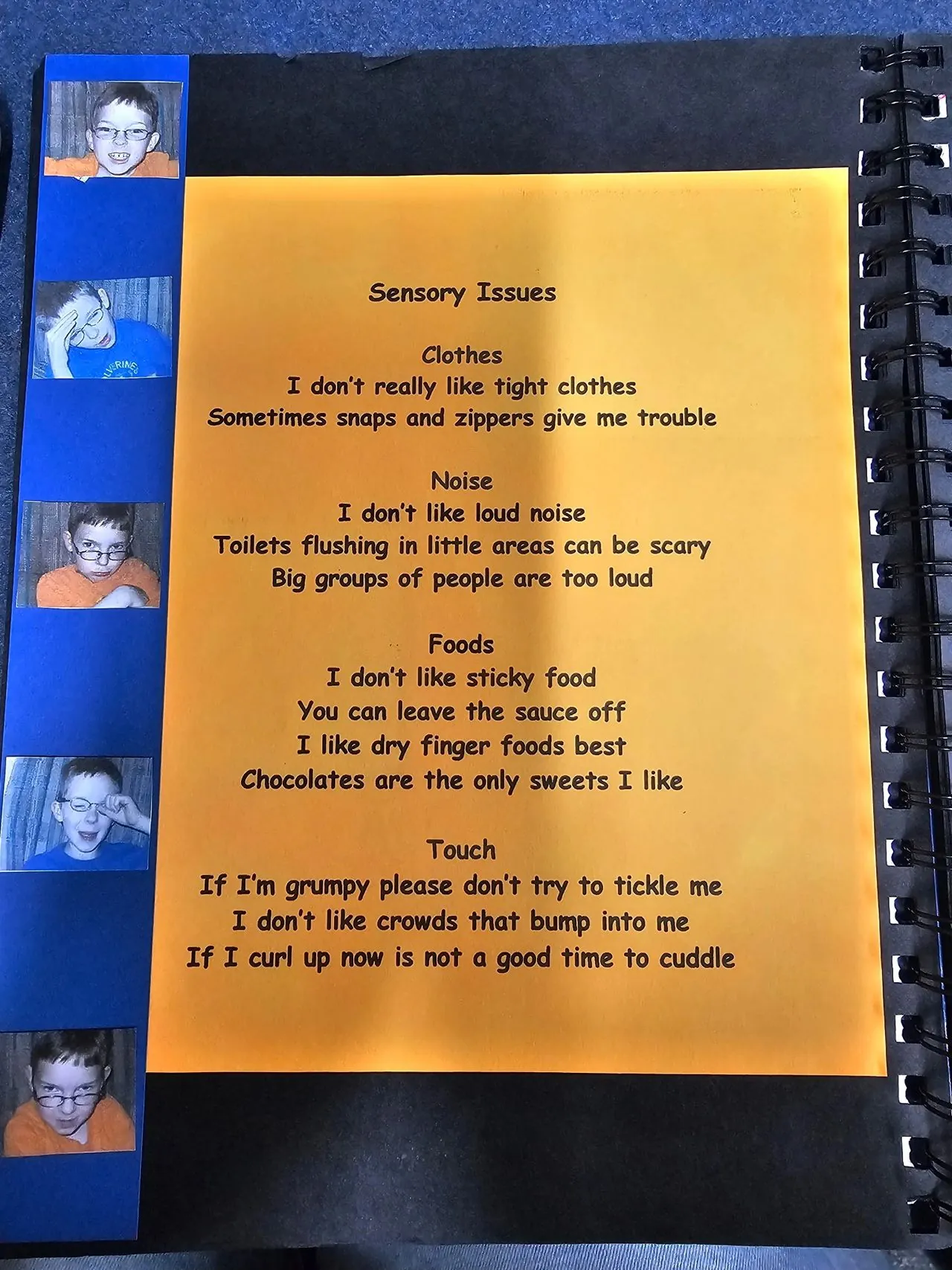
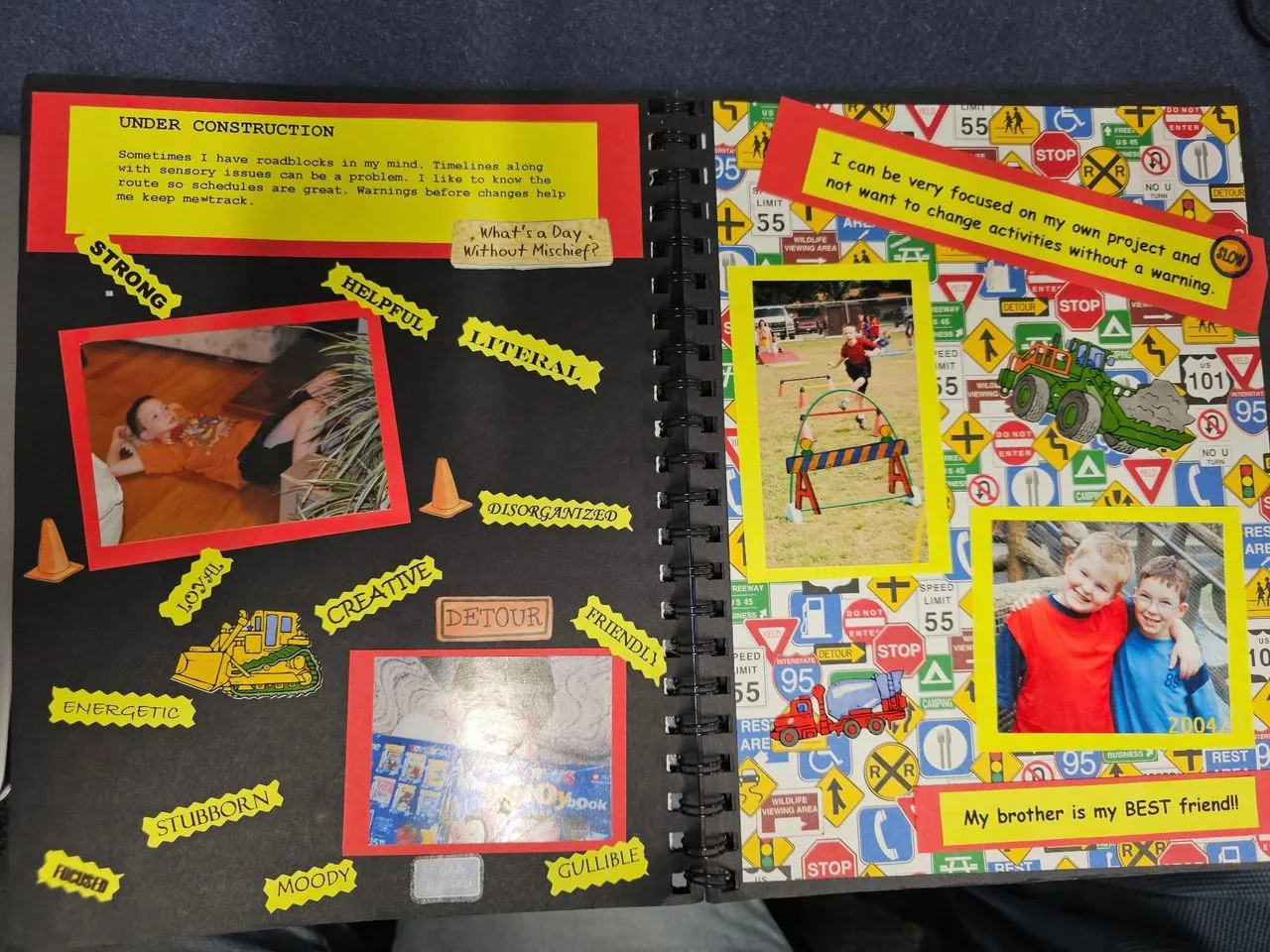
Begin by letting teachers know what lights up your child. Do they love music, building with Legos, movement, or telling jokes? These interests can be powerful motivators and effective relationship builders in the classroom. On the other hand, it's equally important to share dislikes or triggers. For example, loud noises, unexpected transitions, or certain textures can be overwhelming. When teachers know what to avoid—or how to prepare your child for these moments—they're better able to create a supportive environment.
Communicate Sensory Needs
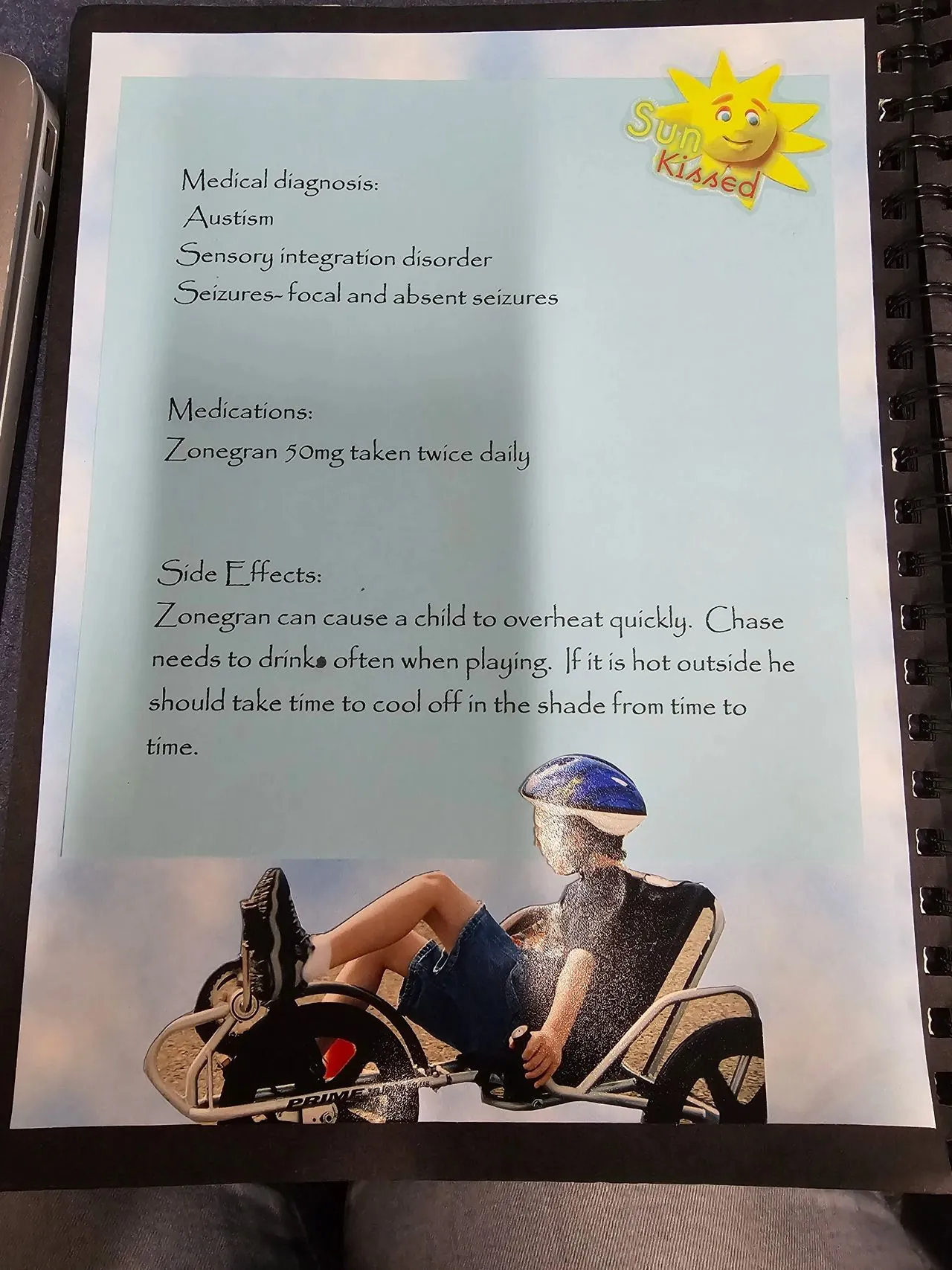
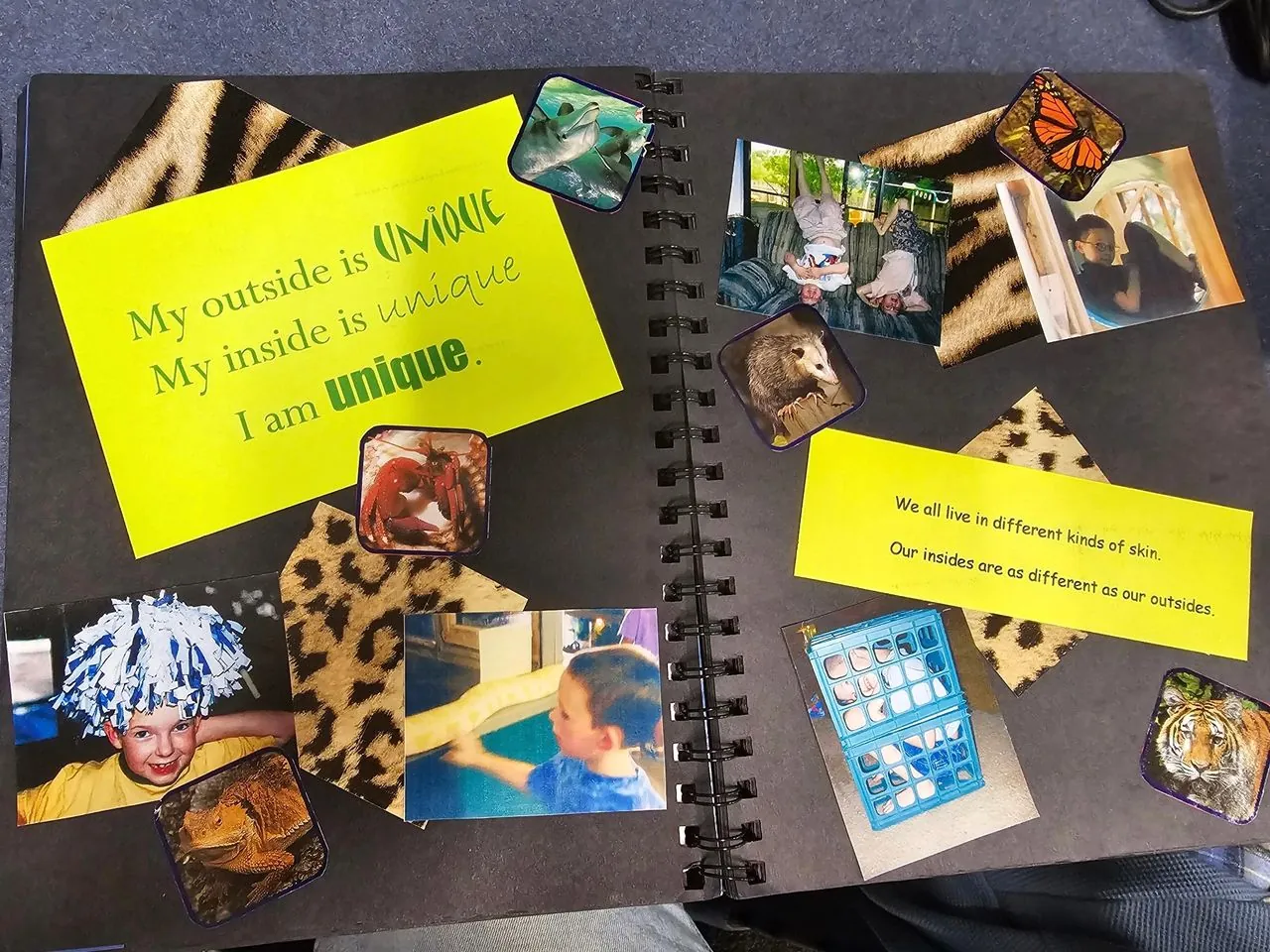
Every child processes sensory input differently. The "I" in DIR describes the unique ways each person takes in, regulates, responds to, and comprehends the world around them. Some individuals may require frequent movement breaks, while others may feel more at ease in a quiet corner away from noise. If your child has specific sensory needs, such as needing noise-canceling headphones for assemblies or a fidget to help with focus, make sure their teachers are aware. By communicating your child's individual differences, teachers can integrate those unique supports naturally into the day, rather than waiting until your child is already dysregulated.
Building the Bridge Together
Introducing your child in this way sets a positive tone with teachers because it communicates that you’re a partner and equips them with tools to better understand your child from day one. By sharing likes, dislikes, sensory needs, calming strategies, and visual supports like the calming kit and wheel of stress, you help teachers see your child’s strengths and challenges with compassion. Most importantly, you give your child the best chance to feel safe, supported, and ready to learn.
Go Beyond “One Size Fits All” Coping Strategies
One of the biggest frustrations for families is when teachers apply the same coping strategy to every student such as deep breaths, "take a break," or "count to ten" without considering whether it truly works for that child. What calms one child may escalate the behavior of another. For example, asking a child to take deep breaths might be helpful for some, but for others it can feel overwhelming and even trigger more stress.
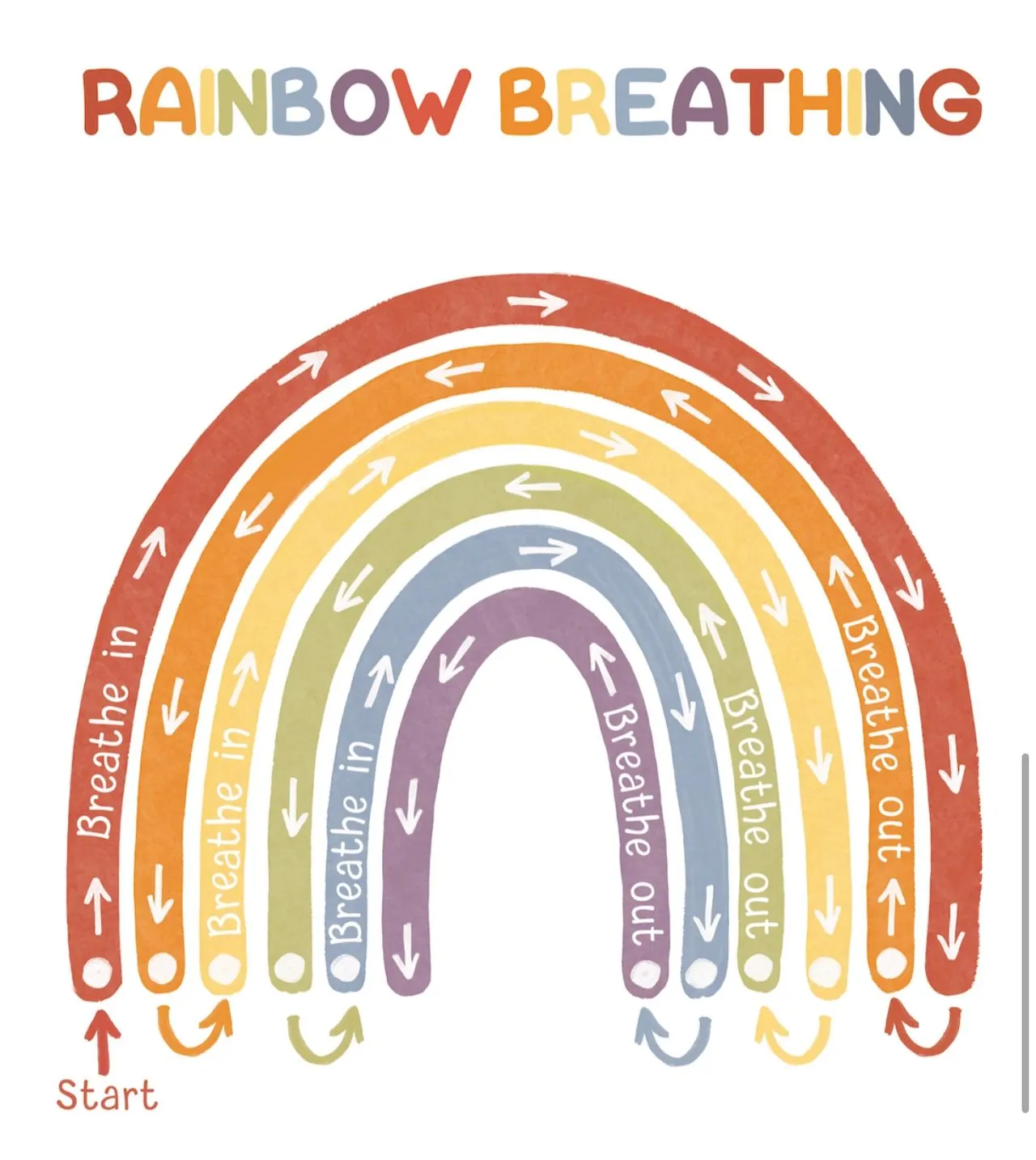
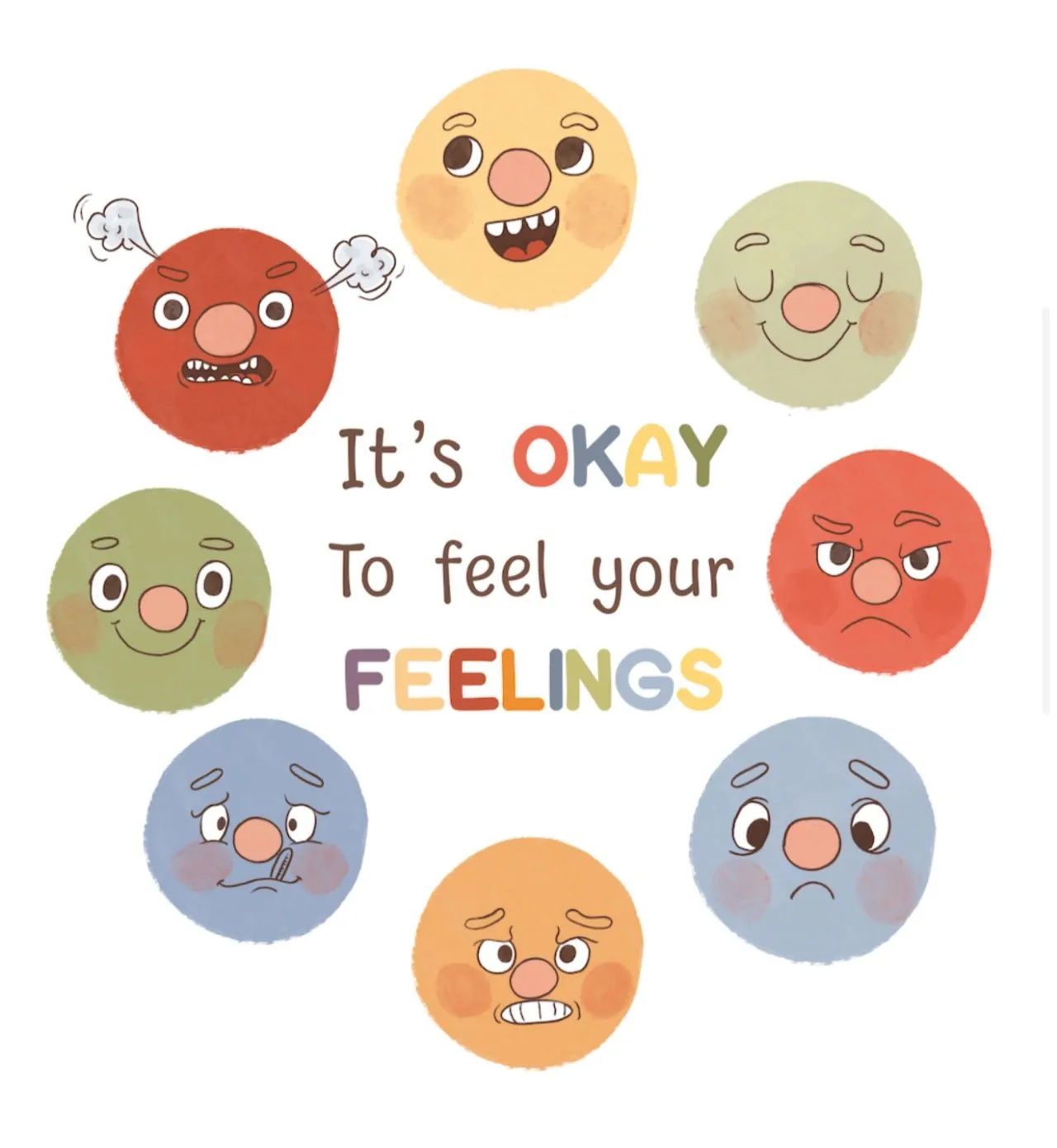
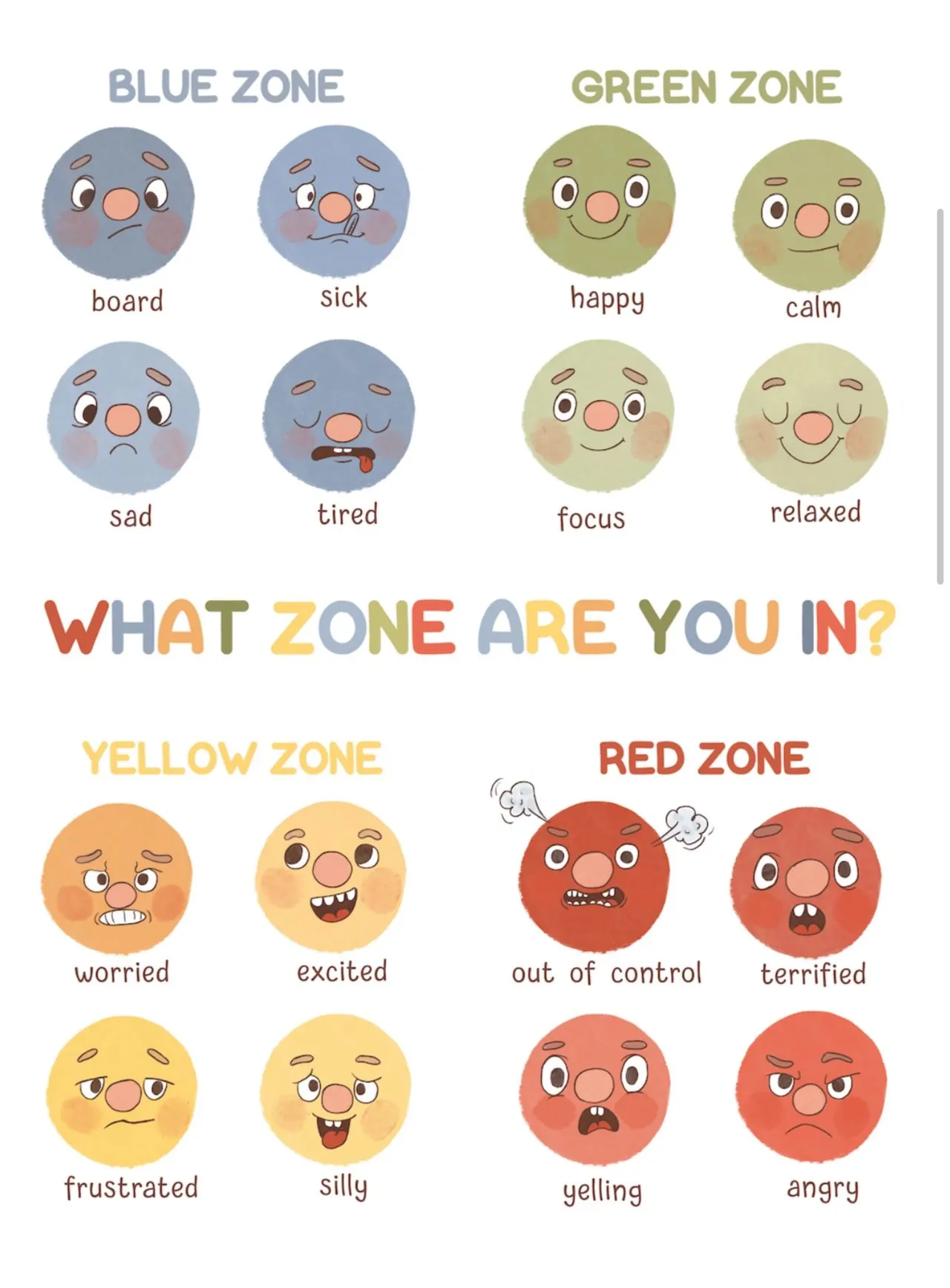
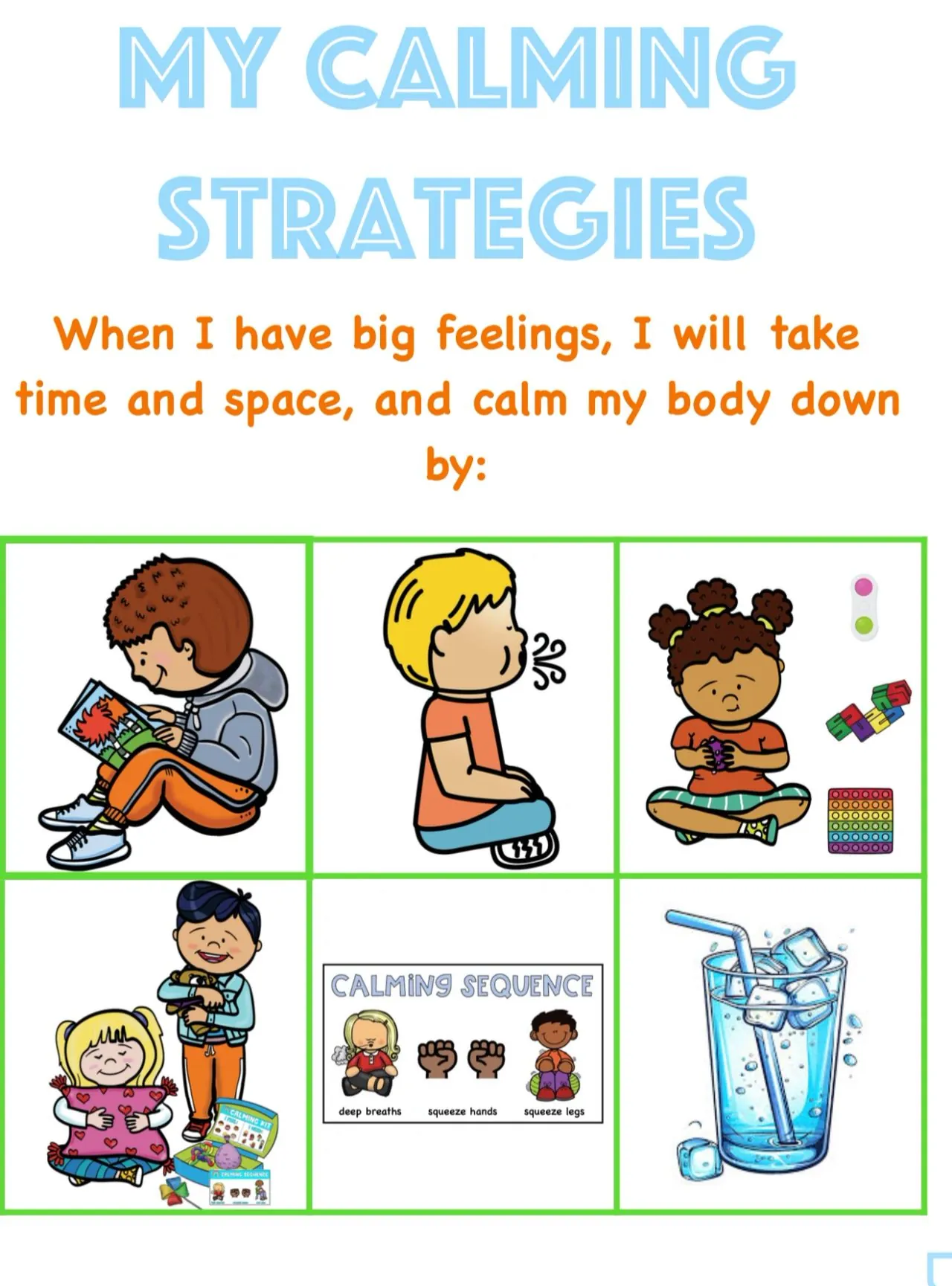
Instead, coping strategies need to be tailored to each individual. A powerful way for teachers to do this is by taking an inventory of each student's effective regulation tools. The tools don't have to be complicated. At the start of the year (or when a child joins the class), teachers can:
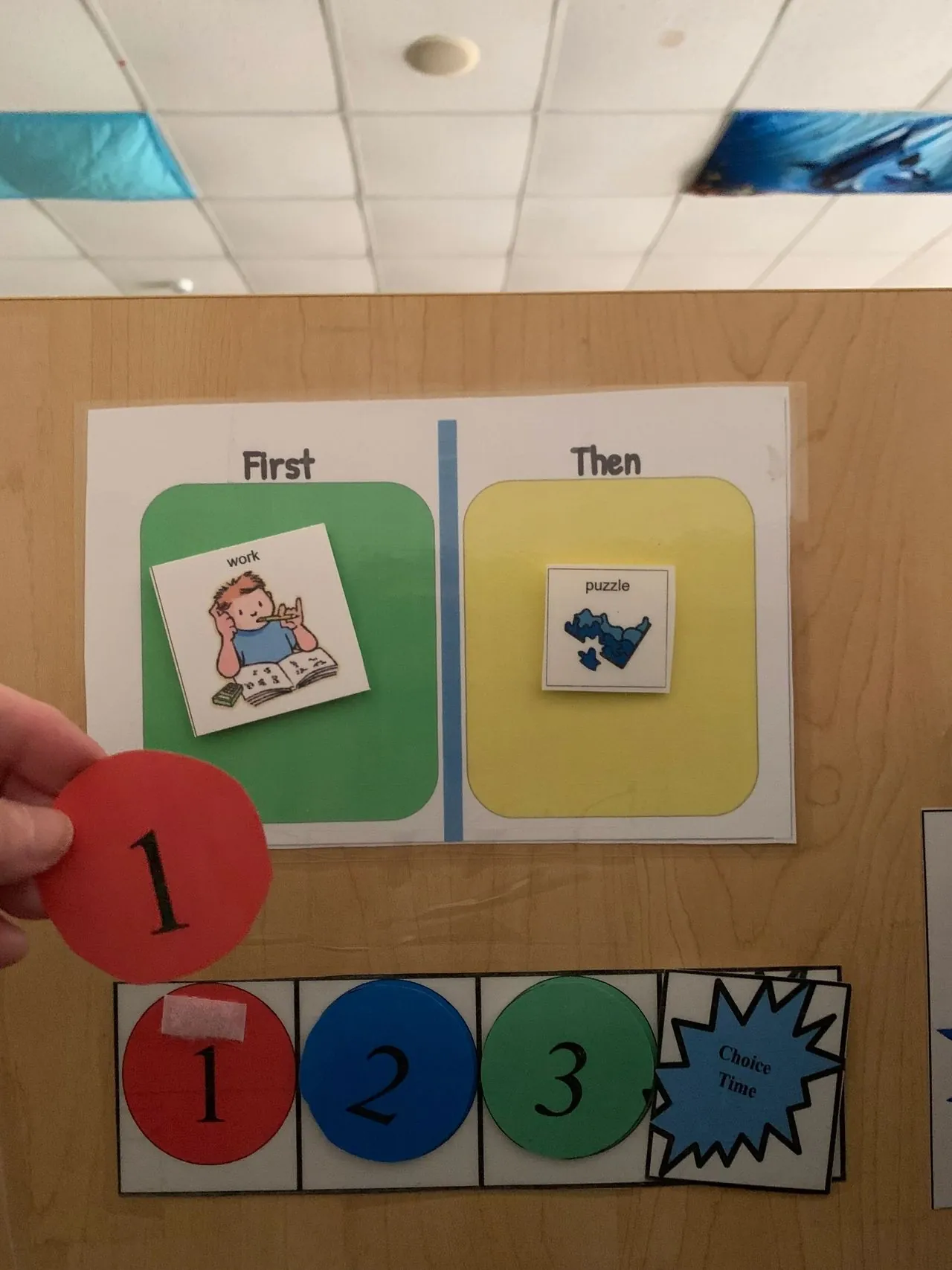
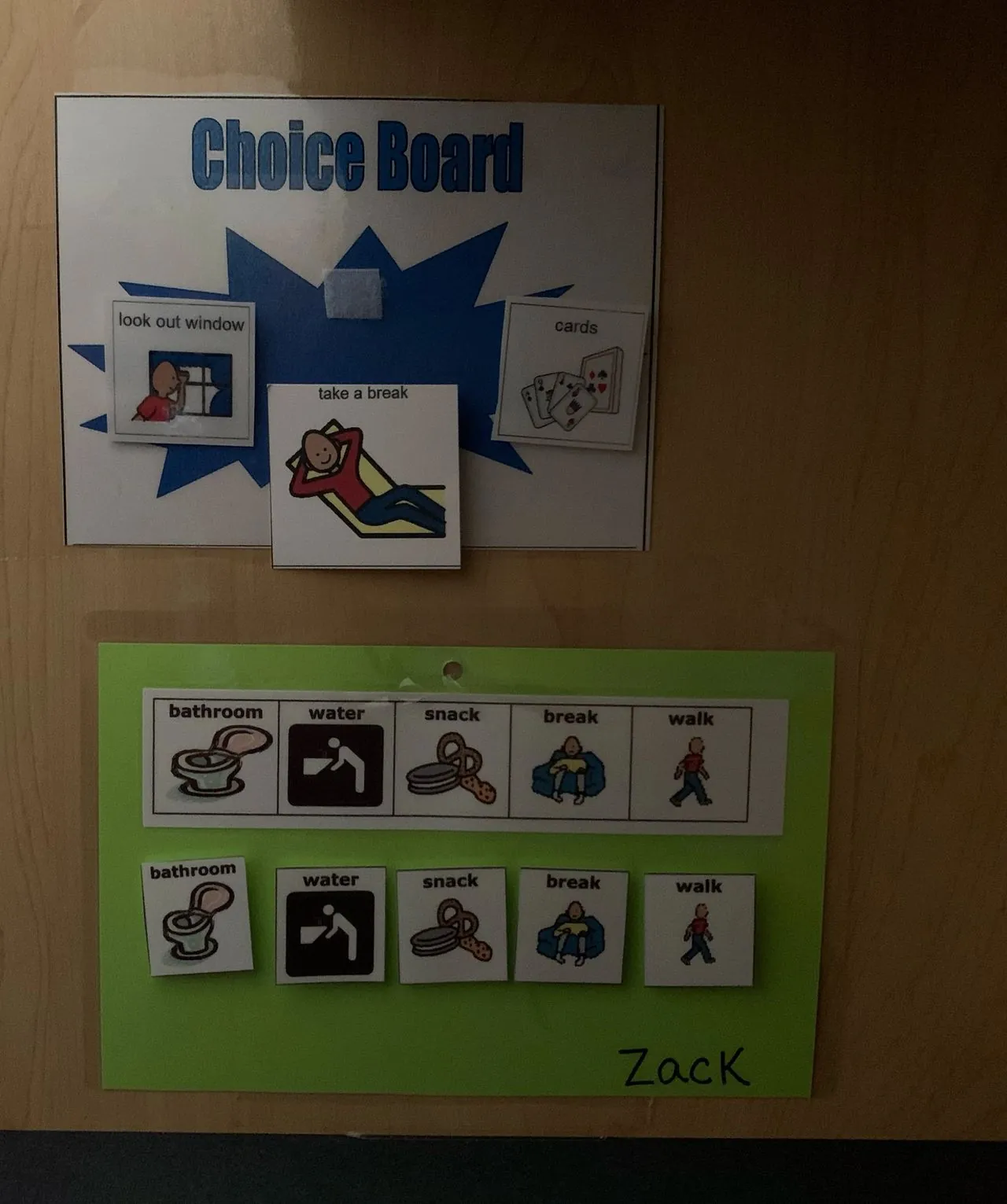
- Ask parents: What works at home when your child is upset or overstimulated?
- Ask the student directly (when possible): What helps you feel better when you're frustrated, worried, or upset?
- Observe and document: Try various strategies and note what works, what doesn't, and how quickly the child returns to a calm state.
Teachers can even create a simple Coping Strategy Profile for each student a one-page sheet listing "What Helps," "What Doesn't Help," and "Safe Choices." The Coping Strategy Profile gives both the teacher and the child a shared language for regulation.
Explain Calming and Regulation Strategies
Teachers benefit from knowing what helps your child return to a calm state. Does deep pressure, rocking, or a quiet space work best for you? Does your child respond to breathing exercises, first-then chart, or visuals? By sharing strategies that work at home, teachers can use consistent techniques at school, helping your child feel safe and understood across settings.
Introduce Their Calming Kit
If your child uses a calming kit, explain what's inside and how to use it. A calming kit might include noise-canceling headphones, a favorite fidget, chewy jewelry, putty, or a soft comfort item.
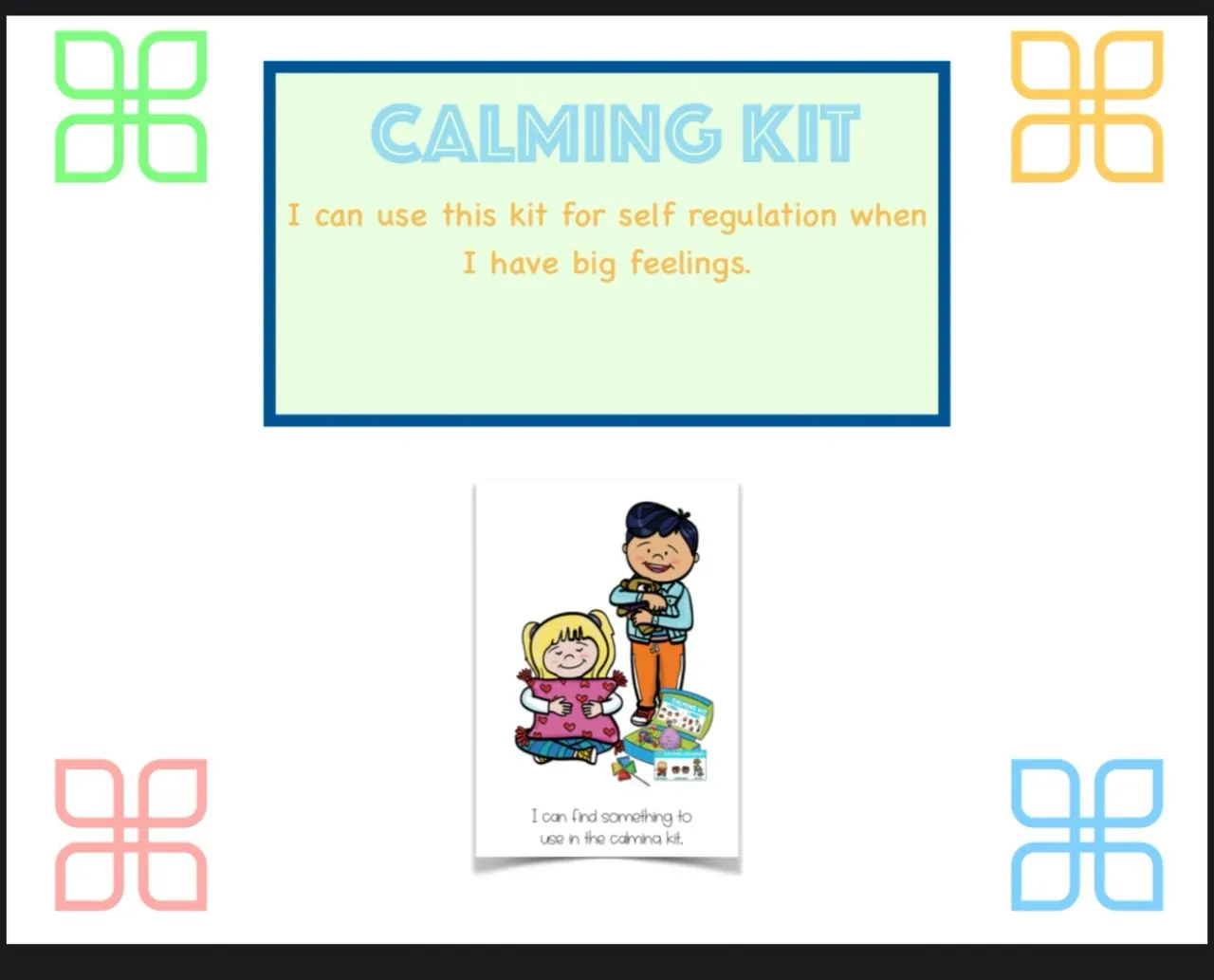
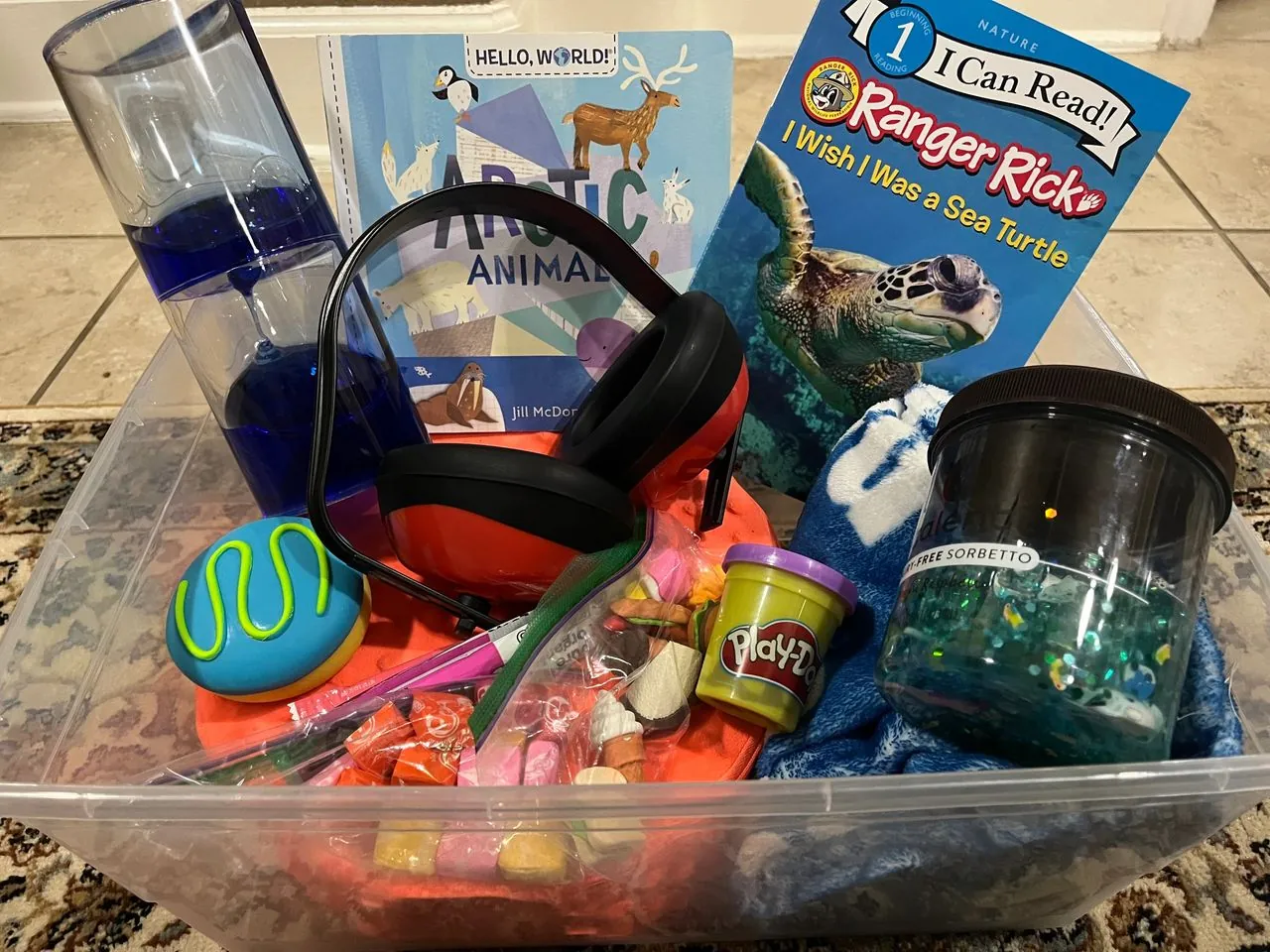
Let the teacher know that this kit is not a toy box. It's a toolbox for regulation. Clarifying when and how your child should use these items empowers the teacher to encourage independence while also supporting self-regulation.
Use a Wheel of Stress and Safety
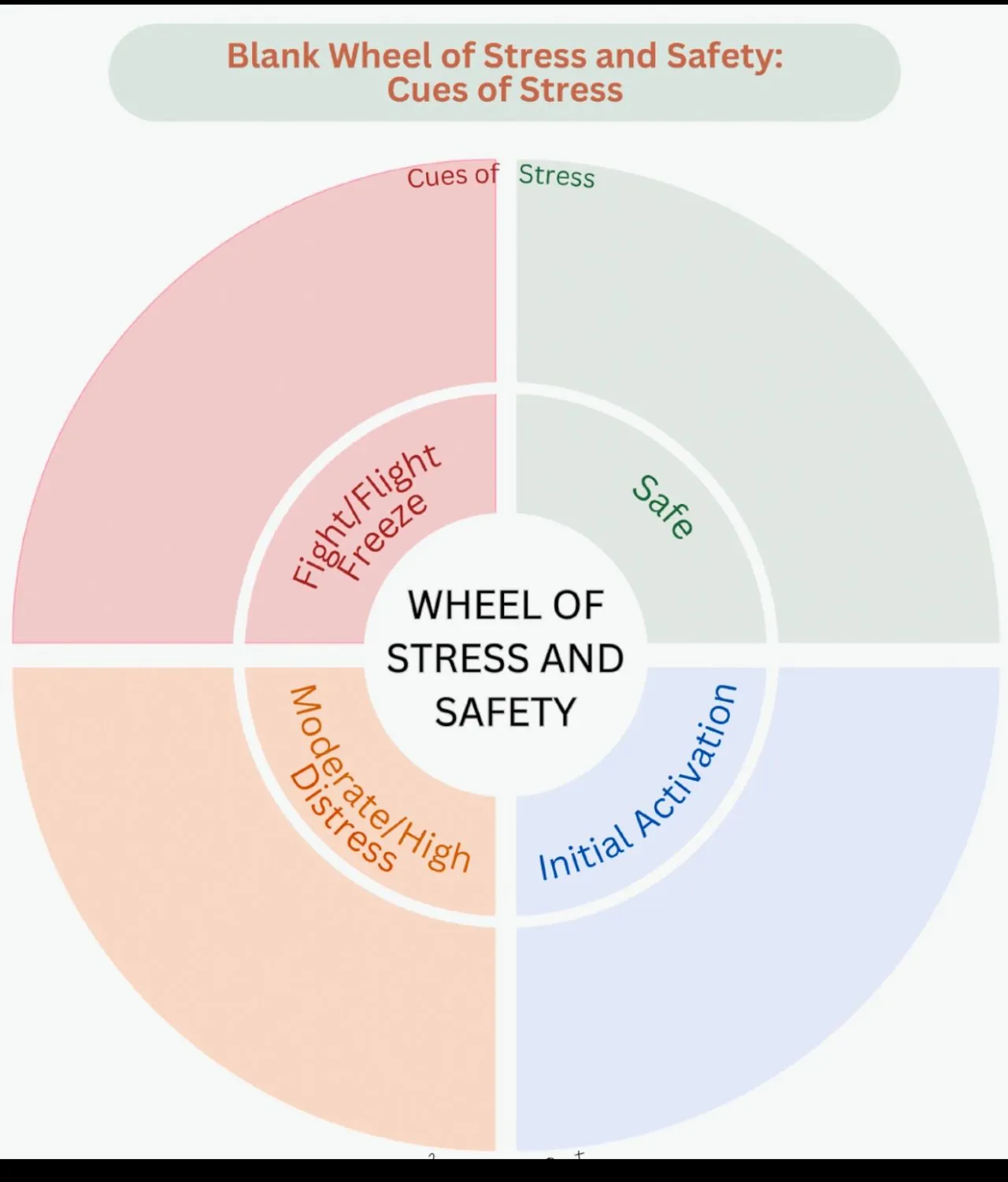
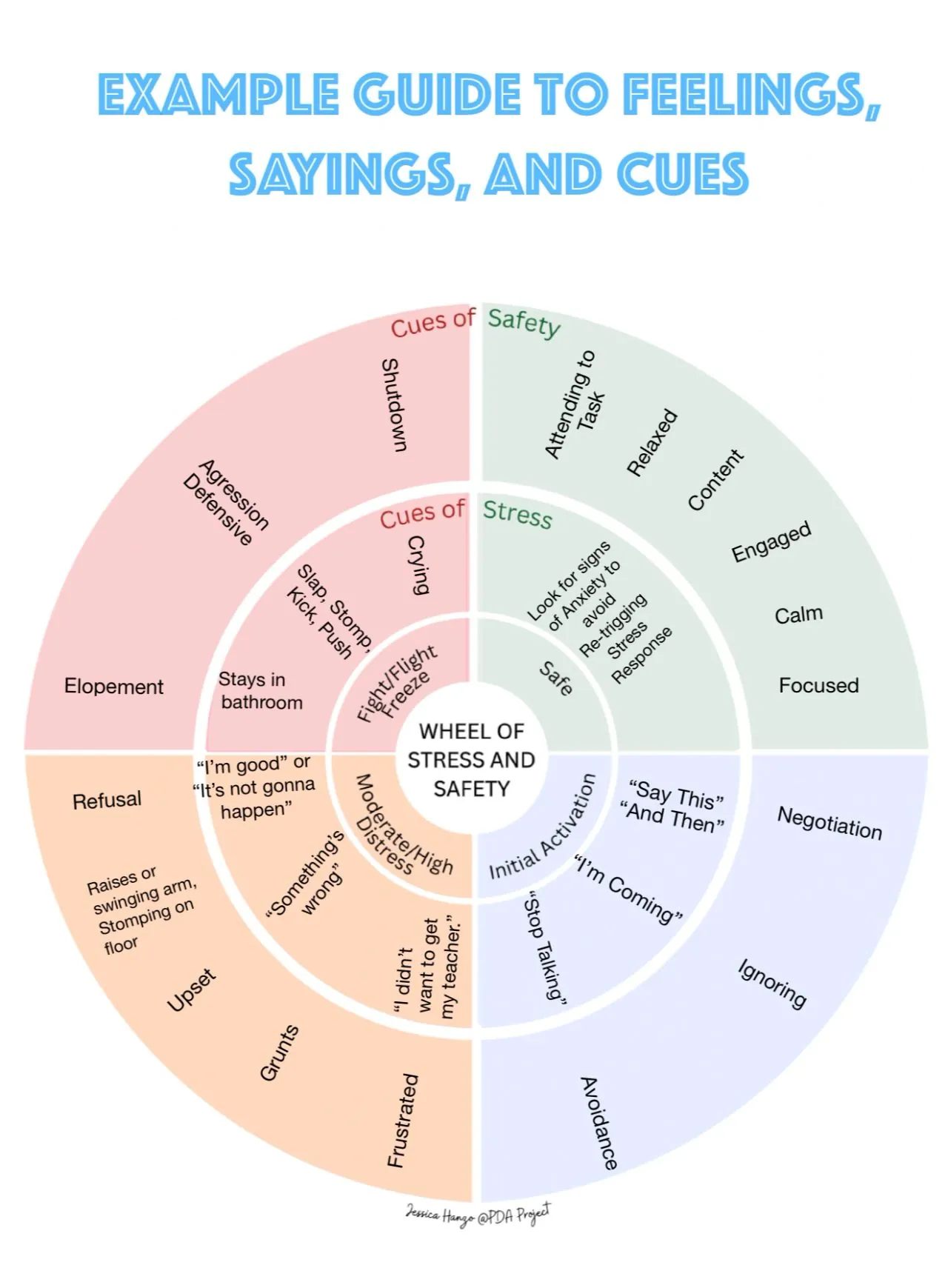
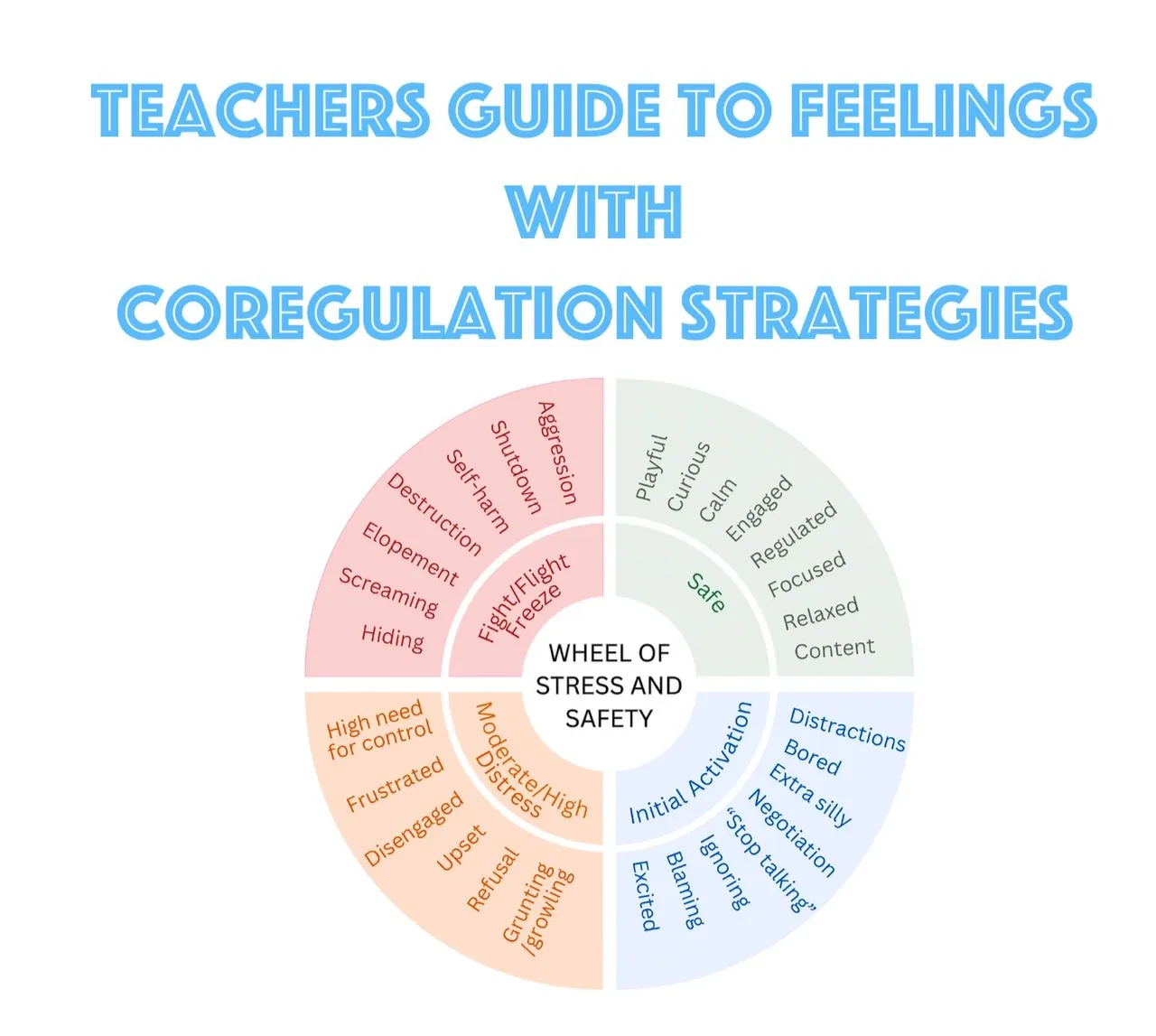
Visual tools can be game changers. A "Wheel of Stress and Safety" is a simple chart or wheel that shows how your child feels in different states (calm, stressed, overwhelmed) along with safe choices for regulation. For example, your child might point to "I'm overwhelmed" on the wheel, which signals the teacher to offer a break, access to the calming kit, or another agreed-upon strategy. The Wheel of Stress and Safety increases communication and reduces frustration, especially if verbal expression is difficult in the moment.
Building the Bridge Together
Introducing your child in this way sets a positive tone with teachers as it communicates that you're a partner and equips them with the tools to understand your child better from the start. By sharing likes, dislikes, sensory needs, calming strategies, and visual supports, such as the calming kit and the wheel of stress, you help teachers see your child's strengths and challenges with compassion. Most importantly, you provide teachers with what they need most: individualized insight into your child's coping strategies.
When teachers move beyond a "one-size-fits-all" approach and take the time to build a personalized coping profile based on a child’s individual differences, students feel safer, more understood, and more capable of thriving in the classroom.