
Supporting Independence at Home
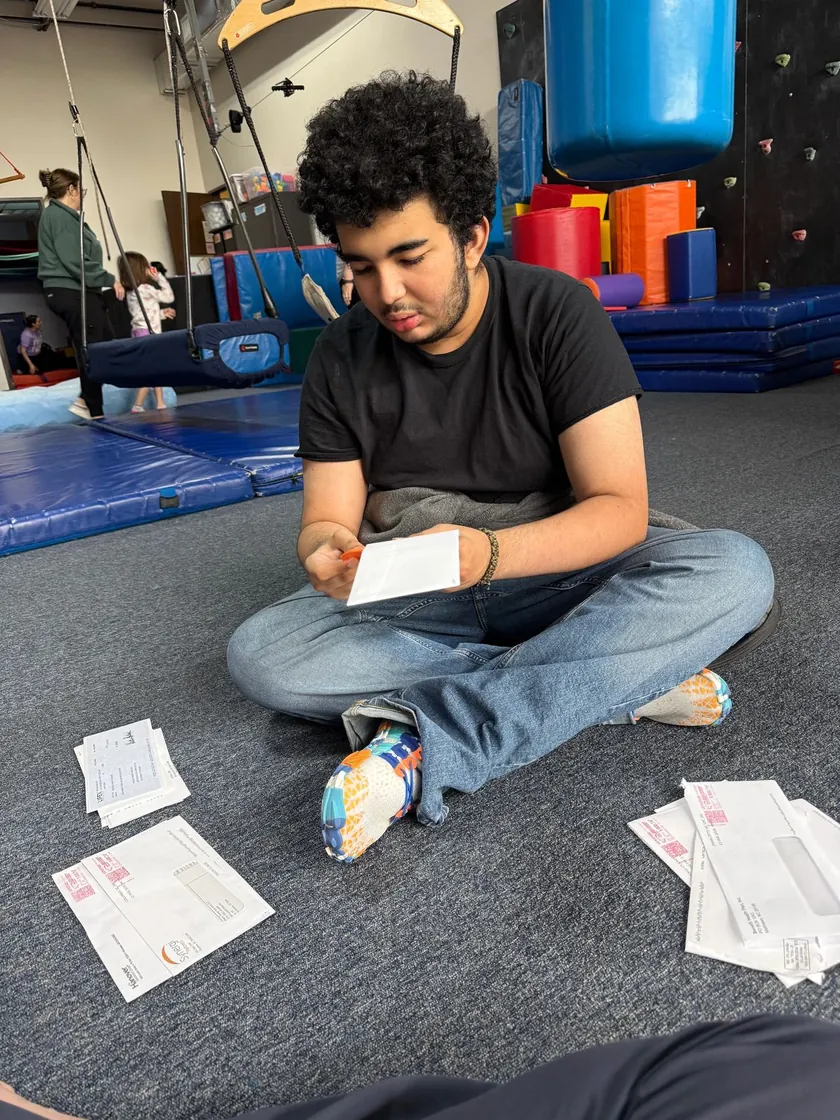 Opening mail
As children grow into adolescence, learning how to help around the house becomes an important step toward independence. For adolescents on the autism spectrum, household responsibilities can build confidence, strengthen life skills, and help them feel like valued members of the family.
Why Household Responsibilities Are Important for Adolescents with Autism
Household chores do more than keep a home organized. They help adolescents develop critical skills such as:
· Executive functioning
· Task initiation and completion
· Responsibility and independence
· Organization and planning
· Motor coordination and sensory regulation
Practicing these skills in everyday routines helps teens prepare for independent living, school responsibilities, and future employment. At Pediatric Therapy Specialists, we often work with families who want to help their teens develop everyday living skills in ways that feel manageable and supportive. With the right structure and guidance, adolescents on the autism spectrum can successfully participate in household routines and gain skills that support independence now and in the future. Below are some practical strategies families can use to help adolescents contribute at home.
Create Predictable Routines
Many adolescents on the autism spectrum benefit from structure and consistency. Establishing a regular time and routine for household tasks can make chores feel less overwhelming and easier to follow. Some helpful strategies include:
- Posting a weekly chore schedule in a visible location
- Completing chores at the same time each day or week
- Using visual checklists to outline expectations
· Start with tasks with a clear beginning and end, such as vacuuming a specific room or wiping down tabletops.
When teens know what to expect, they are more likely to feel comfortable and successful in completing tasks.
Break Tasks Into Clear, Manageable Steps
Large or vague instructions can be difficult to process. Breaking chores into smaller steps helps adolescents understand exactly what needs to be done. For example, instead of saying “clean your room,” you might break the task down into:
- Put dirty clothes in the hamper
- Throw away trash
- Put items back on shelves
- Make the bed
Using step-by-step lists or visual guides can make tasks easier to complete independently.
Choose Chores That Match Your Teen’s Strengths
Every adolescent has unique strengths. Many teens with autism demonstrate strong attention to detail, consistency, and a preference for routine tasks. Matching chores with those strengths can increase motivation and success. Utilizing strengths in organization by having them sort items (e.g., recycling, pantry, cutlery, or clothing).
Examples of appropriate household tasks may include:
- Sorting laundry
- Organizing pantry items
- Setting or clearing the table
- Feeding pets
- Watering plants
- Vacuuming or sweeping
- Taking out trash or recycling
- Loading or unloading the dishwasher
When teens feel capable in their responsibilities, it can boost confidence and encourage continued participation.
Use Visual Supports
Visual supports are commonly used in occupational therapy because they provide clear guidance without relying solely on verbal instructions. Visual supports can be extremely helpful for adolescents who process information better through images rather than verbal instructions. Some helpful visual tools include:
- Picture chore charts
- Step-by-step photo guides for tasks
- Color-coded organization systems
- Visual timers to help track time spent on chores
These supports reduce the need for repeated reminders and help adolescents complete tasks more independently.
Build Life Skills Through Everyday Activities
Household chores provide natural opportunities to practice essential life skills that adolescents will use throughout adulthood. Examples include:
- Helping prepare simple meals
- Packing lunches
- Doing laundry
- Cleaning personal spaces
- Organizing groceries or pantry items
Developing these skills early helps adolescents gain confidence and prepares them for greater independence later in life.
Encourage and Celebrate Progress
Learning new routines takes time. Positive encouragement helps adolescents stay motivated and feel proud of their efforts. Families may consider:
- Offering verbal praise for completed tasks
- Using a reward or chore chart
- Allowing time for a preferred activity after chores
- Celebrating when a new skill is learned
Even small accomplishments can represent meaningful progress.
Make Household Tasks a Family Activity
Completing chores together can provide opportunities for modeling, encouragement, and connection. Some examples include:
- Cooking meals together
- Folding laundry while listening to music
- Cleaning shared spaces as a family
When chores are shared experiences, adolescents may feel more supported and engaged in the process.
Sensory-Friendly Activities
Remember to Accommodate Sensory Needs. If certain tasks (like loud vacuums) are stressful, swap them for quieter alternatives like dusting or organizing bookshelves
- Kitchen Assistance: Simple, repetitive meal prep tasks like washing produce, buttering bread, or measuring ingredients for baking.
- Plant/Pet Care: Tending to houseplants or helping with pet feeding, which can improve empathy and responsibility.
- Heavy Work Tasks: Carrying laundry baskets, carrying groceries in the house, or moving items to provide proprioceptive sensory input.
Supporting Independence at Home
Helping adolescents with autism participate in household chores can be a meaningful step toward independence. With the right supports, routines, and encouragement, teens can develop important life skills that prepare them for adulthood. If you would like guidance on helping your child build independence and daily living skills, our occupational therapy team is here to help.
Contact Pediatric Therapy Specialists today to learn more about pediatric occupational therapy services and how we can support your family.