
Tips for Writing Effective Social Stories for Kids
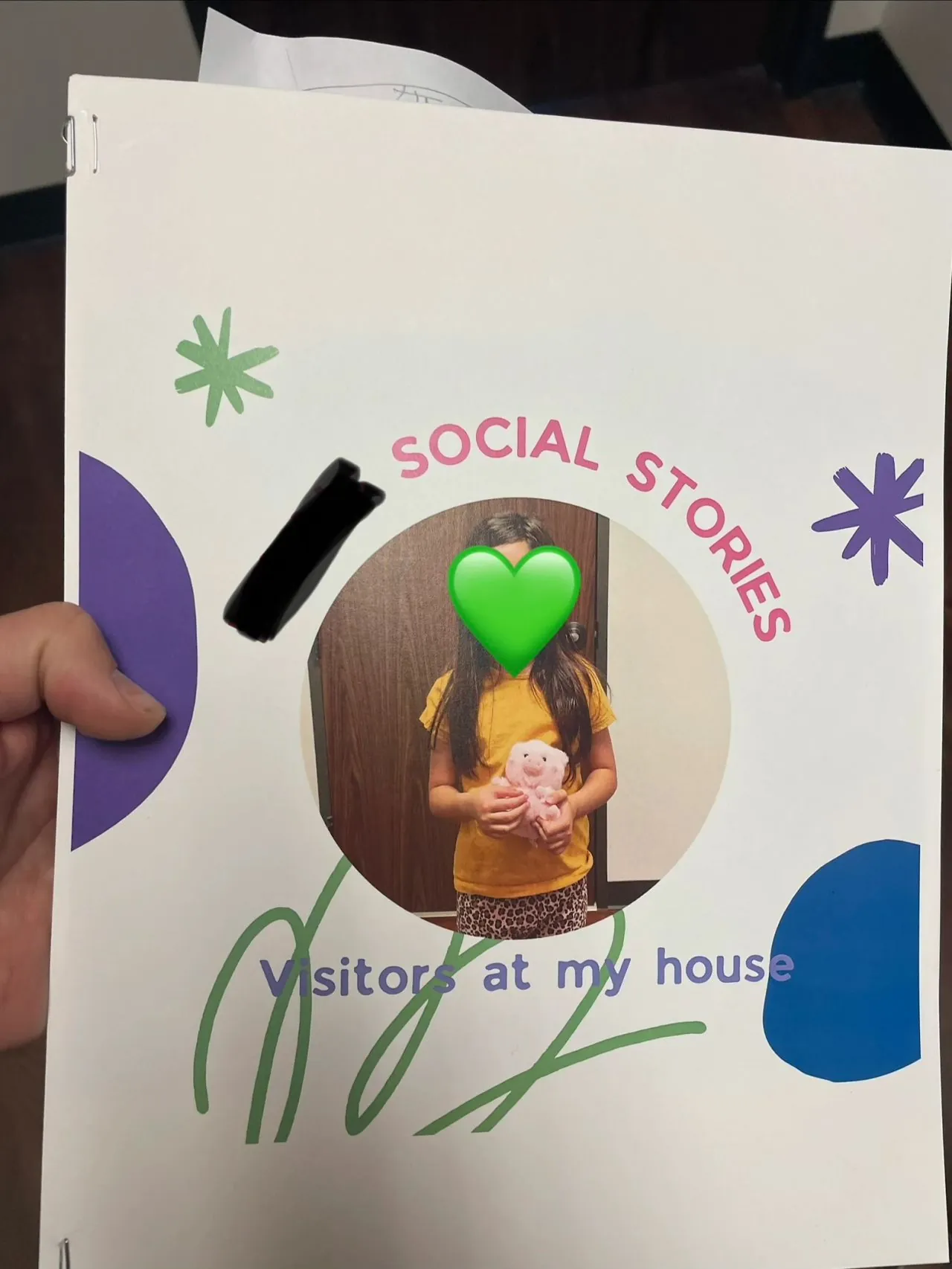
Social stories are a powerful tool for helping children understand social situations, routines, and expectations in a clear and supportive way. Often used with children who benefit from extra structure such as those with autism, ADHD, anxiety, or sensory processing differences social stories can reduce stress, improve behavior, and build confidence. When written thoughtfully, they help children make sense of the world around them in a calm and predictable manner. Below are practical tips to help you write meaningful and effective social stories for kids.
Start by identifying one specific goal or situation. Social stories work best when they focus on a single challenge or routine, such as lining up at school, taking turns, visiting the doctor, or managing big emotions. Narrowing your focus helps keep the story simple and prevents overwhelming the child with too much information. Think about what the child needs to understand or practice, and let that guide the content of the story.
Use simple, clear, and positive language. Social stories should be easy to understand and written in a calm, reassuring tone. Use short sentences and concrete words, avoiding sarcasm, idioms, or abstract language. Instead of focusing on what a child should not do, emphasize what they can do. For example, “I can wait my turn by keeping my hands to myself” is more supportive and effective than “I should not grab.”
Write from the child’s perspective. Social stories are typically written in the first person (“I”), which helps children internalize the message and feel more connected to the story. This perspective allows the child to visualize themselves in the situation and understand expectations more clearly. Using the child’s name and familiar settings can make the story feel even more personal and meaningful.
Include descriptive, perspective, and coaching sentences. A strong social story explains what is happening (descriptive sentences), how others may feel or think (perspective sentences), and what the child can do (coaching or directive sentences). For example, you might describe that “Sometimes we have to wait in line,” explain that “Waiting helps everyone feel safe and calm,” and then coach the child by saying, “I can stand in line and take deep breaths while I wait.”
Keep expectations realistic and supportive. Social stories are not meant to demand perfect behavior; they are meant to guide and encourage. Focus on achievable steps and acknowledge that learning new skills takes time. It’s helpful to include reassurance, such as “It’s okay if I need help” or “I am still learning,” to reduce pressure and build confidence.
Use visuals whenever possible. Pictures, drawings, or simple icons can greatly enhance a social story, especially for young children or visual learners. Visuals help reinforce understanding and keep the child engaged. These can include photos of the child in real-life situations, simple illustrations, or symbols paired with short text.
Read and review the story regularly. Social stories are most effective when they are read consistently, especially before the situation occurs. Reviewing the story ahead of time helps prepare the child and reinforces expectations. Over time, the story can be updated or faded as the child becomes more comfortable and successful in the situation.
Finally, be flexible and individualize the story. Every child is different, and social stories should reflect that. Pay attention to how the child responds and adjust the language, length, or visuals as needed. Collaboration with caregivers, teachers, or therapists can also help ensure the story aligns with strategies being used across environments.
When written with intention and empathy, social stories can be a gentle yet powerful way to support children’s social understanding and emotional regulation. By keeping them simple, positive, and child-centered, you can create stories that truly help kids navigate their world with greater confidence and success.